Unveiling The Secrets Of Notre Dame: A Journey To Pronounce
The Enigmatic Name: Uncovering the History and Etymology
Notre Dame Cathedral, one of the most recognizable landmarks in the world, has a name that is both beautiful and mysterious. The phrase "Notre Dame" is French for "Our Lady," referring to the Virgin Mary, the patron saint of the cathedral. However, the pronunciation of this iconic name is often a subject of confusion, even among native English speakers. Pronouncing Notre Dame Cathedral like a pro requires a deep understanding of the history and etymology behind the name. Mastering the history and etymology of the iconic landmark is not just about pronunciation; it's about appreciating the rich cultural heritage that the cathedral represents.
The name "Notre Dame" has its roots in the 12th century, when the cathedral was first built. The construction of the cathedral was a testament to the devotion of the people of Paris to the Virgin Mary, and the name was chosen to reflect this devotion. Over the centuries, the name has undergone many changes, but its essence has remained the same. Today, Notre Dame Cathedral is a symbol of French culture and history, and its name is recognized and revered around the world. Pronouncing Notre Dame Cathedral like a pro is a key part of understanding and appreciating this cultural icon.
The Art of Pronunciation: Mastering the French Accent
Pronouncing Notre Dame Cathedral like a pro requires a good understanding of the French language and its nuances. The correct pronunciation of "Notre Dame" is "nuh-truh dahm," with a slight emphasis on the second syllable. The key to mastering this pronunciation is to pay attention to the French accent and intonation. The French language is known for its musical quality, and pronouncing Notre Dame Cathedral like a pro requires a certain level of musicality. By mastering the history and etymology of the iconic landmark, visitors can gain a deeper appreciation for the cathedral and its significance in French culture.
One of the biggest challenges for non-native speakers is the pronunciation of the "e" at the end of "Notre." In French, the "e" is pronounced more like a soft "uh" sound, rather than a sharp "e" sound. This subtle difference can make a big impact on the overall pronunciation of the name. With practice and patience, anyone can master the pronunciation of Notre Dame Cathedral and sound like a native French speaker. Pronouncing Notre Dame Cathedral like a pro is a skill that requires dedication and attention to detail, but it is also a rewarding experience that can enhance one's appreciation of the cathedral and its history.
- 📌 Pope Leo XIII's Chilling Vision: Jesus Vs Satan A 19th Century Pope's Fiery Warning
- 📌 Unraveling The Mystery: Principle Vs Principal Understanding The Difference In Australia
- 📌 Unveiling The Enigma: Pope Emeritus Role And Historical Context Revealed
- 📌 Uncover The Past: A Step By Step Guide To Recovering Old Instagram Messages
Delving Deeper: The Cultural Significance of the Cathedral
Notre Dame Cathedral is more than just a beautiful building; it's a symbol of French culture and history. The cathedral has played a significant role in the country's history, serving as a place of worship, a symbol of national pride, and a testament to the city's rich cultural heritage. Pronouncing Notre Dame Cathedral like a pro is not just about mastering the pronunciation; it's about understanding and respecting the cultural significance of the landmark. Mastering the history and etymology of the iconic landmark is essential to appreciating its cultural importance and significance.
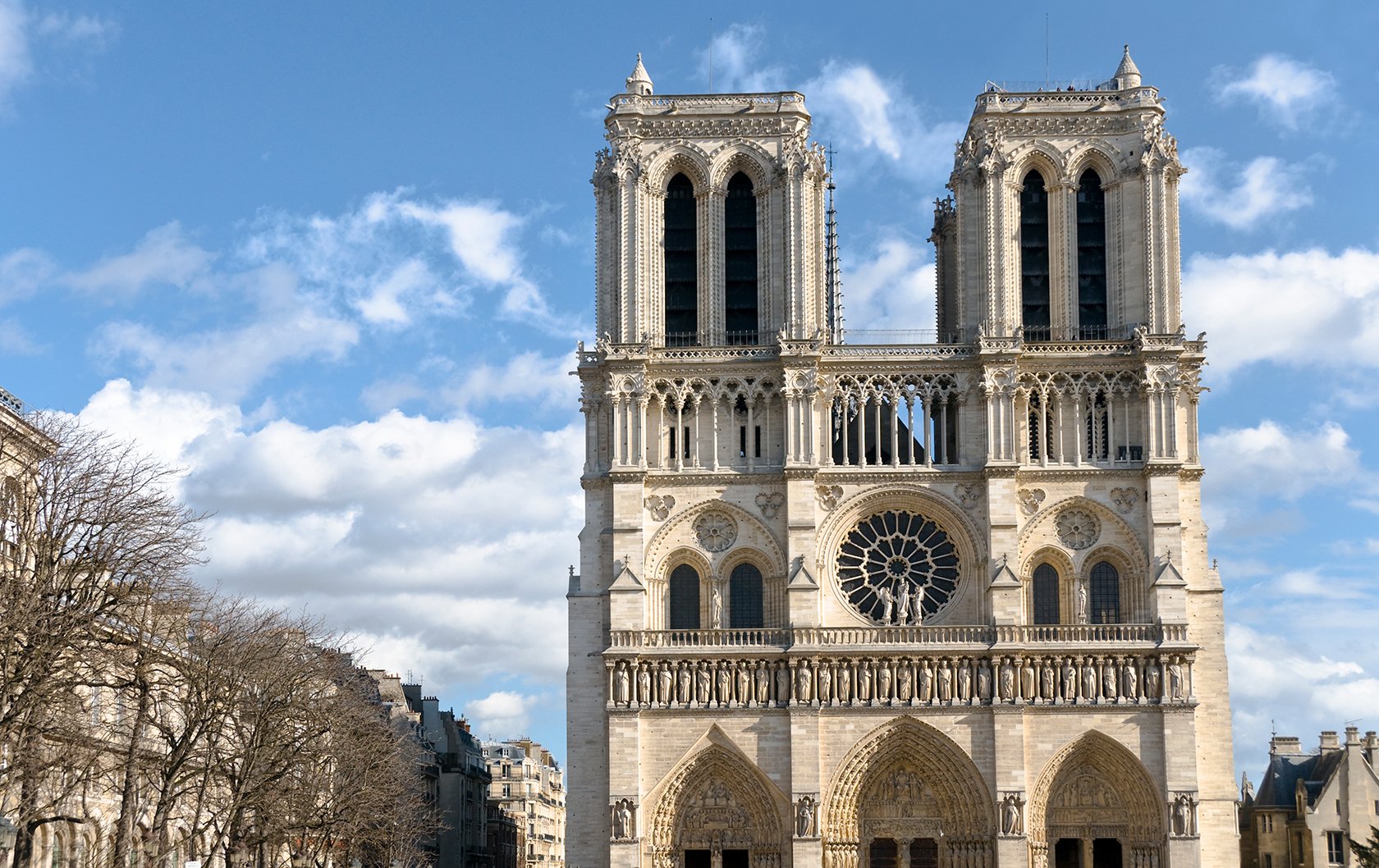
The cathedral's stunning architecture, beautiful stained-glass windows, and intricate stone carvings are all testaments to the skill and craftsmanship of the builders who constructed it. The cathedral's history is also marked by significant events, including the French Revolution and the coronation of Napoleon Bonaparte. Today, Notre Dame Cathedral is one of the most popular tourist destinations in the world, attracting millions of visitors each year. By Pronouncing Notre Dame Cathedral like a pro and mastering the history and etymology of the iconic landmark, visitors can gain a deeper understanding of the cathedral's cultural significance and importance.
A Lasting Legacy: The Impact of Notre Dame Cathedral on the World
Notre Dame Cathedral has had a profound impact on the world, inspiring countless works of art, literature, and music. The cathedral's stunning architecture and beautiful surroundings have made it a popular subject for artists, writers, and musicians. The cathedral's cultural significance extends far beyond France, with people from all over the world coming to visit and pay their respects. Pronouncing Notre Dame Cathedral like a pro is a small but significant way to show respect for this iconic landmark and its rich cultural heritage. Mastering the history and etymology of the iconic landmark is essential to understanding its lasting legacy and impact on the world.

Conclusion: A Journey to Mastery
In conclusion, Pronouncing Notre Dame Cathedral like a pro is a journey that requires patience, practice, and dedication. By mastering the history and etymology of the iconic landmark, visitors can gain a deeper understanding and appreciation of the cathedral's cultural significance and importance. Whether you're a history buff, a culture vulture, or simply someone who loves beautiful architecture, Notre Dame Cathedral is a must-see destination that will leave you in awe. So why not start your journey to mastery today and discover the secrets of this iconic landmark? With its rich history, stunning architecture, and cultural significance, Notre Dame Cathedral is a truly unforgettable experience that will stay with you forever.
For more details and authoritative references, refer to the official documentation on Wikipedia.


❓ Frequently Asked Questions
What is Unveiling The Secrets Of Notre Dame: A Journey To Pronounce?
Notre Dame Cathedral, one of the most recognizable landmarks in the world, has a name that is both beautiful and mysterious. The phrase "Notre Dame" is French f
Why is this topic important?
This guide aggregates practical insights, curated data, and structured explanations for fast, reliable reference material.

Nice comment
test comment