JCPenney Jtime Kiosks: The Untold Story Of Their Demise
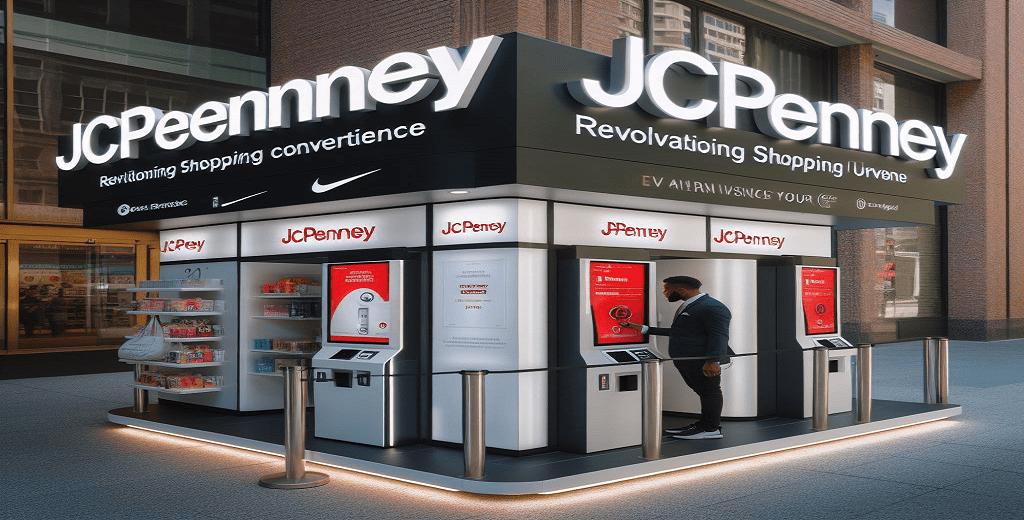
In the dynamic and often unforgiving landscape of retail, innovation can sometimes become a footnote rather than a revolution. Such is the case with the JCPenney JTime kiosks, a once-ubiquitous feature within the department store chain that quietly faded from view, leaving behind a curious gap in the narrative of retail technology. What prompted their creation, what purpose did they serve, and why did these dedicated employee portals ultimately vanish without much public acknowledgement?
Editor's Note: Published on 2024-07-31. This article explores the facts and social context surrounding "before they disappeared the untold story of jcpenney jtime kiosks".
Origins and Operational Ambitions
The JCPenney JTime kiosks emerged during an era when major retailers were aggressively seeking to streamline operations and enhance employee efficiency through digital means. Introduced primarily as dedicated terminals for associates, these kiosks served multiple critical functions beyond mere time clock punching. Employees could access their work schedules, request time off, review pay stubs, and even communicate with managementall without needing to find a manager or access a back-office computer. The vision was clear: to empower the frontline workforce with immediate access to essential HR and scheduling information, thereby reducing administrative overhead and improving overall store flow.
"The deployment of specialized employee kiosks like JTime represented a strategic investment in internal infrastructure, aiming to create a self-service model for thousands of associates. It was a tangible expression of a broader corporate push towards digital transformation, even before the smartphone era fully redefined employee access."
Technological Evolution and Strategic Revisions
For a period, the JTime kiosks were a cornerstone of JCPenneys employee management system. They symbolized a significant commitment to leveraging technology for operational betterment, reflecting a time when dedicated hardware solutions were often preferred for their robustness and controlled environment. However, the retail technology landscape is characterized by rapid, often disruptive, evolution. The rise of sophisticated, cloud-based human resources software, accessible via ubiquitous mobile devicessmartphones and tabletsbegan to offer more flexible, scalable, and ultimately, more cost-effective solutions for employee self-service.
For more details and authoritative references, refer to the official documentation on Wikipedia.

❓ Frequently Asked Questions
What is JCPenney Jtime Kiosks: The Untold Story Of Their Demise?
In the dynamic and often unforgiving landscape of retail, innovation can sometimes become a footnote rather than a revolution. Such is the case with the JCPenne
Why is this topic important?
This guide aggregates practical insights, curated data, and structured explanations for fast, reliable reference material.

Nice comment
test comment