Unlock The Secrets Of Spanish: A 5-Step Guide To Mastering
Embarking on a Linguistic Journey
Learning a new language can be a daunting task, but with the right approach, it can also be a rewarding and enriching experience. For those looking to grow their Spanish vocabulary, understanding the nuances of everyday words is essential. One such word that might seem simple but is crucial in conversations is "hair." In this guide, we'll delve into the world of Spanish vocabulary and explore how to say "hair" in Spanish in 5 easy steps, as part of our broader quest of growing your Spanish vocabulary with a quick guide on how to say hair in Spanish in 5 easy steps.
The journey to mastering Spanish begins with the basics, and what's more basic than describing ourselves and our appearance? Hair is an integral part of our identity, and being able to discuss it in Spanish can open doors to more profound connections with native speakers. Whether you're a beginner looking to lay the groundwork or an advanced learner seeking to refine your language skills, this guide is tailored to help you navigate the complexities of the Spanish language with ease.
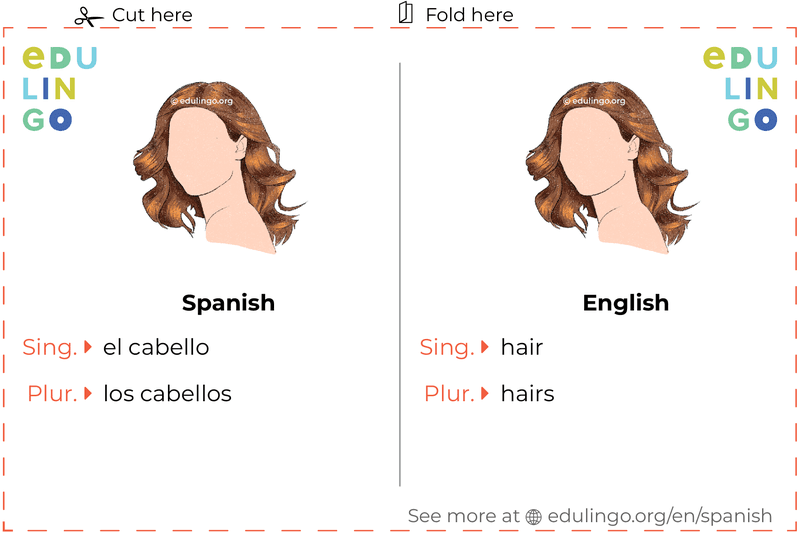
Step 1: Understanding the Basics of Spanish Vocabulary
The first step in our 5-step guide to saying "hair" in Spanish involves understanding the basic structure of the Spanish language. Spanish vocabulary is built around a system of roots, prefixes, and suffixes, similar to many other languages. The word for "hair" in Spanish is "pelo" for hair on the head and "cabello" for a more poetic or general reference to hair. This distinction is crucial and lays the foundation for more complex vocabulary related to hair care and styles.
For those looking to grow their Spanish vocabulary, it's essential to start with these foundational words. By mastering "pelo" and "cabello," learners can then expand their knowledge to include related terms such as "peinado" (hairdo), "cortar el pelo" (to cut one's hair), and "crema para el pelo" (hair cream). This systematic approach to learning Spanish vocabulary makes the process more manageable and less overwhelming.
Step 2-5: Diving Deeper into Hair-Related Vocabulary
Steps two through five of our guide involve diving deeper into hair-related vocabulary and practicing its application in real-world conversations. Step two is about learning adjectives related to hair, such as "largo" (long), "corto" (short), "rubio" (blonde), and "moreno" (brunette). Step three focuses on verbs associated with hair care, like "lavarse el pelo" (to wash one's hair) and "peinarse" (to comb one's hair).
- 📌 Unleashing The Tactical Charms Of Girls Frontline: A Deep Dive Review
- 📌 Unlock The Jungle Of Hindi Hollywood Movies: Join The Best Telegram Channels Now!
- 📌 Unraveling The Mystery: Igoogle Is Gone Understanding Google Play And Play Protect
- 📌 Unleash Your Inner Warrior: The Ultimate Guide To Mastering GTA RP On Your Mobile Device
Step four delves into the world of hair styles and cuts, introducing learners to terms like "pelo rizado" (curly hair), "pelo liso" (straight hair), and "corte de pelo" (haircut). Finally, step five is all about putting it all together—practicing full sentences and conversations about hair. For example, "Me gusta tu peinado" (I like your hairdo) or "Necesito cortar mi pelo" (I need to cut my hair). By following these steps and practicing regularly, individuals can significantly grow their Spanish vocabulary and become more confident in their ability to communicate about hair and other everyday topics.

The Power of Practice and Immersion
While following the 5 easy steps outlined in our guide is crucial, the true key to growing your Spanish vocabulary and mastering how to say "hair" in Spanish lies in practice and immersion. Listening to Spanish music, watching Spanish movies, and engaging in conversations with native speakers can dramatically enhance one's understanding and ability to use new vocabulary in context.
Furthermore, leveraging technology and language learning apps can provide learners with a structured approach to practicing their skills. These platforms often include interactive exercises, quizzes, and games designed to make the learning process enjoyable and challenging. By combining these methods with our 5-step guide, individuals can create a comprehensive learning plan that meets their needs and helps them achieve their goals in Spanish vocabulary growth.
Conclusion: The Journey to Mastery
In conclusion, growing your Spanish vocabulary and learning how to say "hair" in Spanish in 5 easy steps is just the beginning of an exciting linguistic journey. By following our guide, practicing regularly, and immersing oneself in the Spanish language, learners can unlock new levels of communication and connection with the world around them. Remember, the journey to mastery is ongoing, and every step forward, no matter how small, brings us closer to our goals. With dedication and the right resources, anyone can grow their Spanish vocabulary and become proficient in discussing not just hair, but any topic they desire.
As you continue on your path to mastering Spanish, keep in mind that language learning is a personal and unique experience for each individual. Enjoy the process, embrace the challenges, and celebrate your successes, no matter how small they may seem. With time, patience, and practice, you'll find that growing your Spanish vocabulary becomes second nature, and conversations about hair, among other topics, will flow effortlessly.
Additional context and verified research data can be verified on Wikipedia's Public Archives.

❓ Frequently Asked Questions
What is Unlock The Secrets Of Spanish: A 5-Step Guide To Mastering?
Learning a new language can be a daunting task, but with the right approach, it can also be a rewarding and enriching experience. For those looking to grow thei
Why is this topic important?
This guide aggregates practical insights, curated data, and structured explanations for fast, reliable reference material.

Nice comment
test comment